Securing Hygiene Standards in Barbering Facilities through Reliable Sterilization of Barber Tools
Wiki Article
Preserving robust levels of cleanliness in grooming establishments is vital for safeguarding both customers and employees from potential infections. Barber shops are environments where sharp instruments and hair tools come into close contact with skin, hair, and sometimes minor cuts. This requires complete cleaning and disinfection a critical process to reduce the transmission of germs, viruses, and yeasts. By following systematic cleaning protocols, barbers can establish a safer setting, comfort clients, and comply with health requirements that control licensed grooming establishments.
Efficient sterilization of instruments begins with understanding the variation between scrubbing, decontaminating, and sterilizing. Cleaning gets rid of apparent debris such as follicles, epidermal matter, and styling remnants, while sanitizing decreases the amount of harmful bacteria to a acceptable level. Sterilization extends by removing nearly all forms of organisms, including dormant bacteria. Tools such as cutters, blades, combs, and hair cutters must experience proper methods to ensure that all stage adheres to sanitation requirements. Using registered cleaning solutions and following the manufacturer’s guidelines ensures that tools are both safe to apply look here and maintainable over time.
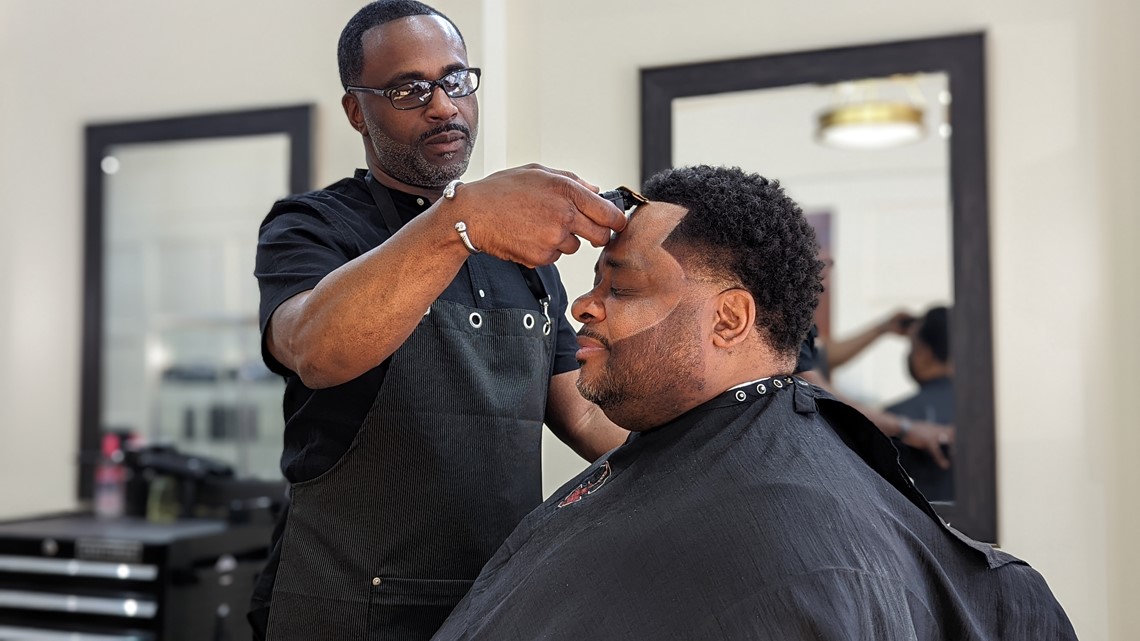
Grooming spaces must also focus on the correct storage and article placement of disinfected tools. Equipment that have been sanitized or prepared should be kept in a clean, sanitary space to avoid cross-contamination. Designated holders, ultraviolet (UV) cabinets, or sealed sterilization pouches can maintain tools from environmental germs. Additionally, barbers should practice the routine of marking disinfected instruments and alternating them regularly to keep uniform sanitation standards. A structured process to equipment organization not only improves safety but also reflects expertise to clients.
Instructing employees on efficient hygiene procedures is another key component in maintaining sanitation protocols. Stylists and salon employees should undergo instruction on safe hand hygiene, use of protective gloves, and the sanitizing of common surfaces such as chairs, tables, and washbasins. Frequent training updates and internal audits support that cleaning routines remain consistent across the shop. Educating barbers about the risks of microbial transfer and the value of adherence fosters a atmosphere of security stylish undercut creations and professionalism within the salon.
Ongoing monitoring and maintenance of cleaning tools also support hygiene excellence. Sterilizers, ultrasonic cleaners, and sanitizing solutions must be checked for performance, and any malfunctioning devices should be repaired promptly. Implementing a documented sanitation protocol and maintaining detailed logs of maintenance cycles additionally supports compliance with municipal health regulations. By implementing proper equipment sanitation, organized management, staff training, and device care, barber shops can maintain a professional, professional setting that supports the well-being of each patron.